Gymnastics Floor Music Editing: Cut & Splice Mistakes to Avoid
How to edit women's gymnastics floor music: common cut-and-splice mistakes and fixes—crossfades, beat-matching, clean cold endings, for a 90-second routine.
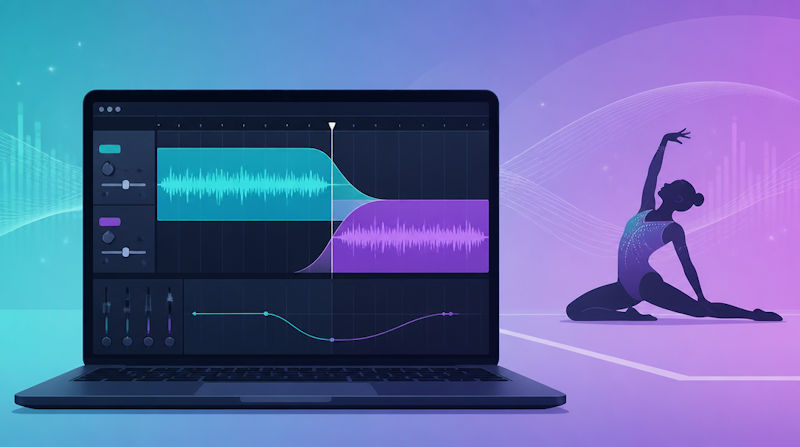
In women's artistic gymnastics, the floor exercise is a 90-second performance carried by music from start to finish. That is exactly why the quality of your floor music editing shapes the impression of the whole routine. A track stitched to
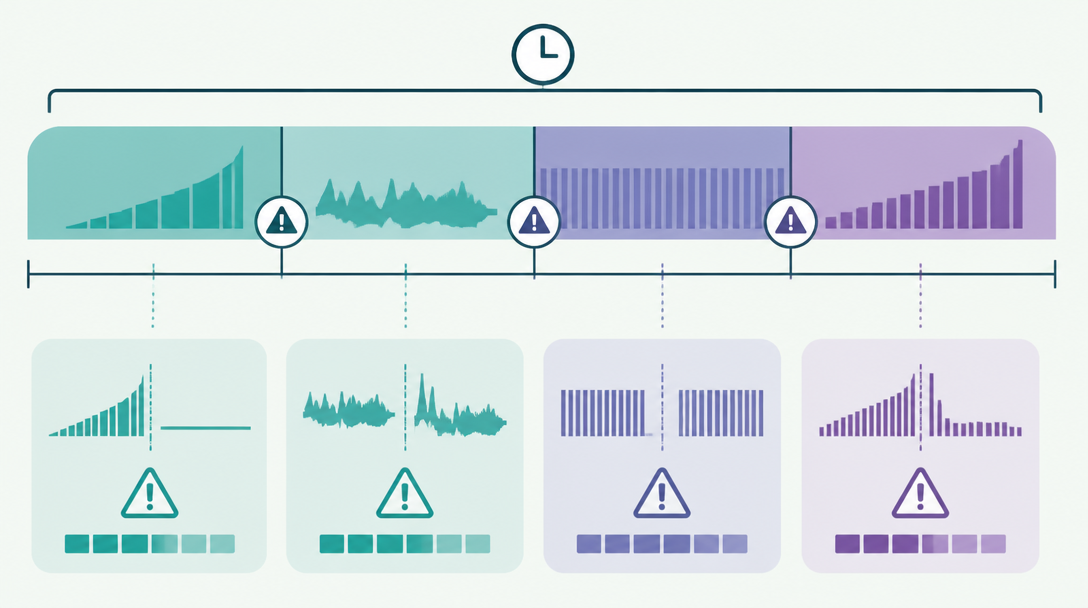
gether from "the good parts" of several songs often ends up feeling slightly off—thanks to noisy cuts and mismatched tempo. This guide breaks down the four most common mistakes in gymnastics floor music editing and shows how to fix each one, drawing on both the Code of Points and basic audio-editing principles.
Why Floor Music Cuts Go Wrong
The key point is that floor music is judged as part of the performance, not as background. Sloppy editing does more than sound bad—it can chip away at your artistry (E) score.
The 90-Second Rule and the Shift Toward "Performing the Music"
Under FIG and USA Gymnastics rules, the floor routine may last a maximum of 90 seconds, with a 0.10 deduction for going over (gymnastgem 2025–2028 update). We cover the timing framework in our 90-second floor timing template.
The 2025–2028 Code emphasizes that gymnasts must "perform the music"—showing phrasing, style, and emotional range—rather than merely moving to it. Weak posture, flat expression, and filler choreography can draw deductions in the 0.10–0.20 range ( exercise/" target="_blank" rel="noopener">gymnastgem
). If the audio itself feels unnatural, the foundation for "performing the music" collapses.