Sports Industry Careers: Jobs, Salaries, and How to Break In
A guide to sports industry careers: market growth, key roles, salary benchmarks, the skills employers value, and how graduates and career changers can break in.

Landing a job in the sports industry appeals to former athletes and sports-loving professionals alike, yet the range of roles and entry paths is often unclear. This guide maps the sports business landscape: market growth, the main job roles, salary benchmarks, the skills employers value, and how to break in as a new graduate or career changer.
The Sports Industry Landscape and Market Size
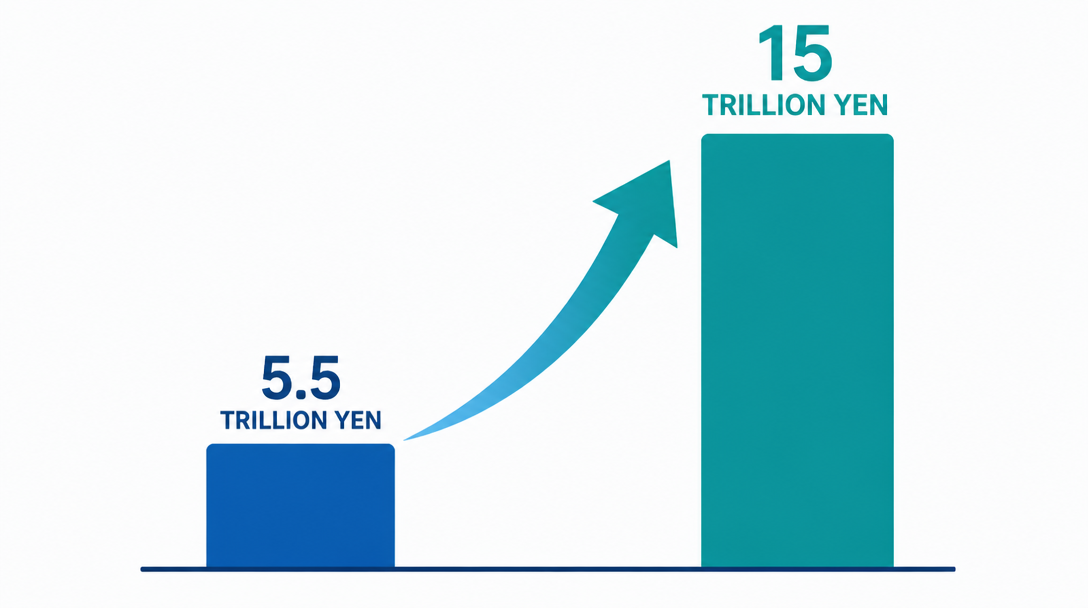
Before targeting a job in the sports industry, it helps to understand its scale and growth trajectory. In Japan, the government treats sport as a growth industry and actively supports market expansion.
Market Size and Growth Targets
Japan's Sports Agency has set a goal to expand the sports market from 5.5 trillion yen to 15 trillion yen under its Third Sport Basic Plan. Originally targeted for 2025, the timeline was revised toward 2030 following the impact of COVID-19. A larger market means growing demand for the people who run it.
Key pillars include stadium and arena reform, turning venues from cost centers into profit centers, and promoting sports open innovation that connects sport with other industries.
Why Sports Business Is in the Spotlight
Sports business means creating value in goods and services through sport, spanning team operations, equipment, broadcasting rights, and tourism. Because it intersects with nearly every other sector, digital streaming and fan engagement continue to spawn entirely new roles.
That expanding structure keeps widening the options in the sports job market, offering entry points that range from roles drawing directly on athletic experience to roles built on business skills.
The Main Sectors
The sports industry is a cluster of sectors rather than a single field:
- Teams, leagues, and federations (operations)
- Equipment makers (development, manufacturing, sales)
- Gyms and facility management
- Sports media (broadcast, print, web)
- Sports IT and data analytics
- Events and sports tourism
Specialist job boards list over a thousand roles across these sectors, from full-time positions to contract work.
Key Job Roles in the Sports Industry
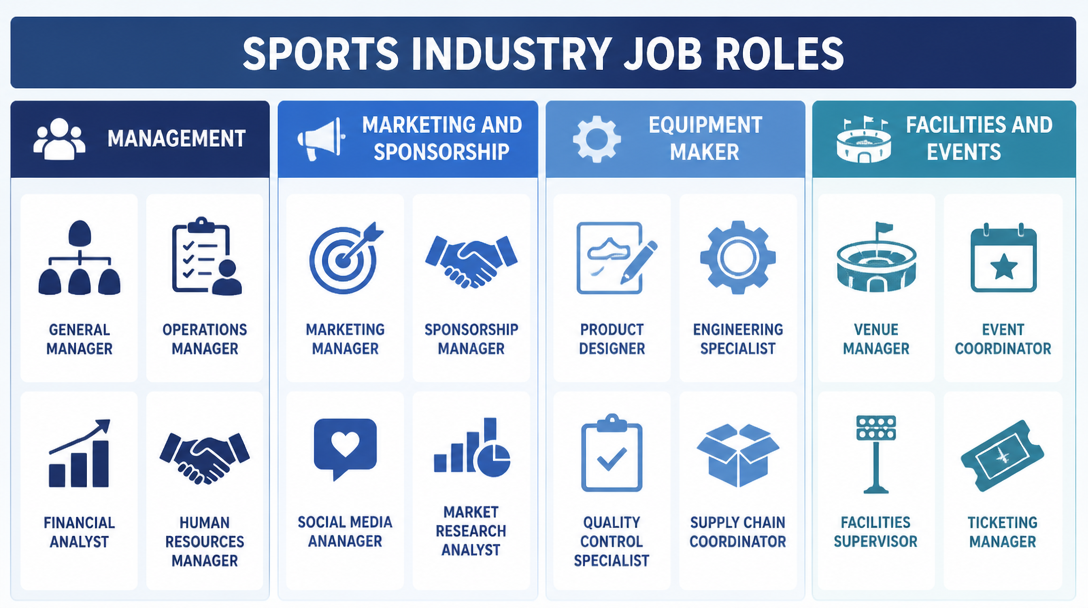
Choosing a role is the first challenge. Even within one industry, responsibilities and required traits vary widely.
Team and League Management
These roles run the business of clubs and leagues, from ticketing and membership to event planning and community partnerships. Sports management roles covering operations, marketing, and promotion are especially popular among younger workers.
Marketing and Sponsorship
Marketing and sponsorship generate the revenue that sustains teams and events, from winning new sponsors to running fan promotions and social campaigns. The core skill is turning the emotion of sport into a viable business. See our article on athlete social media branding.
Equipment Makers
These companies plan, develop, and sell apparel, footwear, and gear, with roles in product planning, sales, and marketing much like any manufacturer, but requiring an understanding of sport-specific performance needs.
Facilities and Events
Facility management and event operations keep stadiums, arenas, and competitions running, focusing on setup, security, ticketing, and guest experience. Planning ability and communication skills matter most here.
Specialist Career Paths in Sports
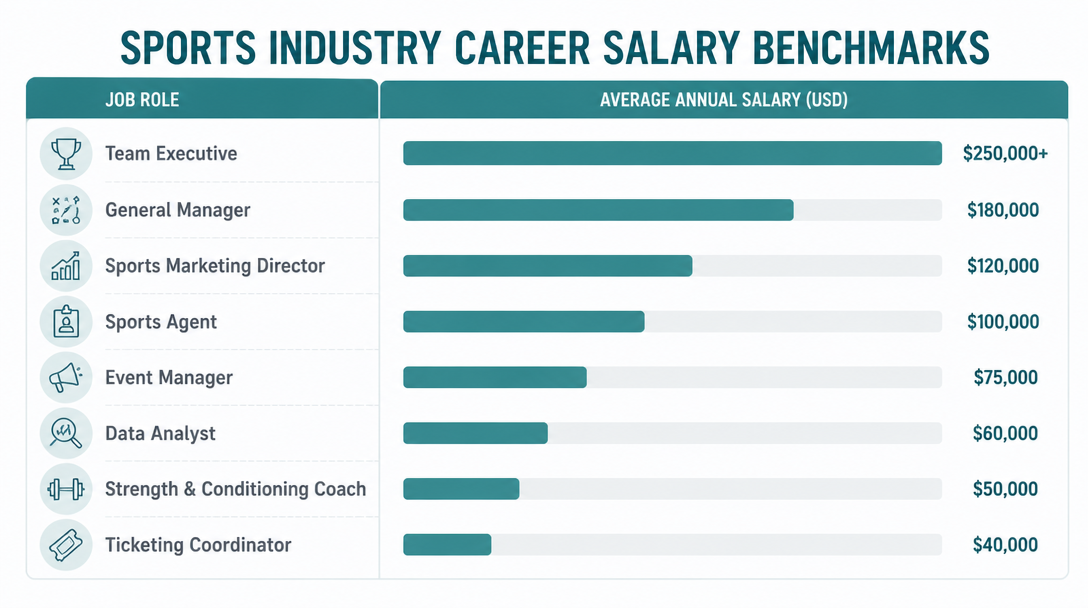
You can also build a career around a specific expertise. Data analytics, in particular, has seen rising demand.
Sports Analyst (Data)
Sports analysts collect and interpret video and GPS tracking data to support decisions by players and teams. According to a national association, the average annual salary is around 5.8 million yen, above the national average, and the role typically requires statistics plus Python or R.
Sports Media and Journalism
Reporters, editors, and web producers drive information and storytelling. Beyond reporting and analysis, social media and data skills are increasingly valuable.
Trainers and Coaches
Trainers and coaches support athletes' conditioning and technique, and often require national qualifications such as physical therapist credentials. See our guide to coaching certifications.
Salaries and Working Conditions by Role
Realistic salary expectations are essential, and pay varies widely by role.
Salary Benchmarks by Role
The figures below are indicative and vary with company size and experience.
Role | Salary guide | Notes |
|---|---|---|
Sports analyst | ~5.8M yen | Association average; entry pay 250K-300K yen/month |
Marketing (makers, etc.) | 5.0M-7.5M yen | Over 6M yen achievable at large firms |
Fitness instructor | ~3.9M yen | Based on official 2019 data |
Sponsorship sales | Performance-based | Often incentive-driven |
Marketing roles at large firms can exceed 6 million yen, and specialist skills raise the ceiling.
How to Earn More
The fastest route to higher pay is hard-to-replace expertise. Revenue-linked skills tend to be rewarded:
- Skills that quantify results (data analysis, marketing)
- Involvement in revenue functions (sponsorship, events, business development)
- Language skills for global assignments
Conditions to Watch
Because games and events cluster on weekends, days off can be irregular, and many on-site roles are physically demanding. Plan your long-term career early; see our article on athlete second-career design.
Skills Employers Look For
In hiring, transferable skills often matter more than playing experience.
Portable Skills
For sales, retail, and operations, portable skills such as communication, basic PC literacy, and customer service are valued over sport-specific experience, widening the door for newcomers.
Data and Marketing
For planning and strategy, the ability to analyze data, apply marketing, and produce new markets is key to a lasting sports business career.
Language and Global Readiness
Sport is a global industry, so demonstrable language ability broadens your options. See language skills and global careers.
How to Break Into the Sports Industry
Finally, here are concrete routes for new graduates and career changers.
The New-Graduate Route
New graduates typically apply to makers, media, and operating companies. Student athletes can frame persistence and teamwork as selling points; see our guide to the student-athlete job hunt.
Changing Careers Without Experience
Career changes are very feasible, with many entry-level openings in sales, retail, admin, and operations. Keys to success:
- Articulate your transferable strengths through self-analysis
- Narrow and research your target sector and companies
- Use industry-specialist job services and agents
Useful Qualifications and Job Boards
Some roles reward qualifications, from coaching certifications to retail and physical-therapy credentials. Combine sports-specialist matching services with general job sites. A side-hustle route is also possible; see athlete side businesses.
Summary
Careers in the sports industry are expanding on the back of market growth. Key points:
- Japan targets a 5.5T to 15T yen market, driving demand for talent
- Roles span management, marketing, makers, facilities, analytics, media, and coaching
- Salaries: ~5.8M yen for analysts, 5.0M-7.5M yen for marketing (varies)
- Portable skills like communication, data, and language are highly valued
- New grads should sharpen their pitch; changers should analyze, research, and use specialist agents
Overlay your strengths with a sector you care about, and build the required skills methodically to last in sports business.