Athlete Sponsorship Guide: How to Get Sponsored in Sports
Learn how athletes can secure sponsorships with proven strategies—crafting winning proposals, approaching companies, and building lasting partnerships.
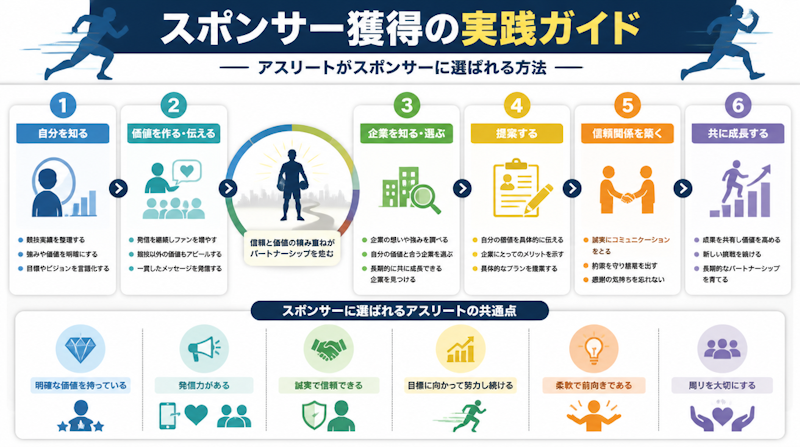
Securing sponsorship is one of the most significant challenges athletes face when trying to sustain a competitive career. Yet many struggle with the same questions: How do I approach a company? What goes into a sponsorship proposal? What do sponsors actually look for? This guide breaks down the entire process—from understanding what companies want to building long-term partnerships—so athletes can approach sponsorship as a structured, strategic endeavor rather than a guessing game.
What Is Sports Sponsorship? Understanding What Companies Are Looking For
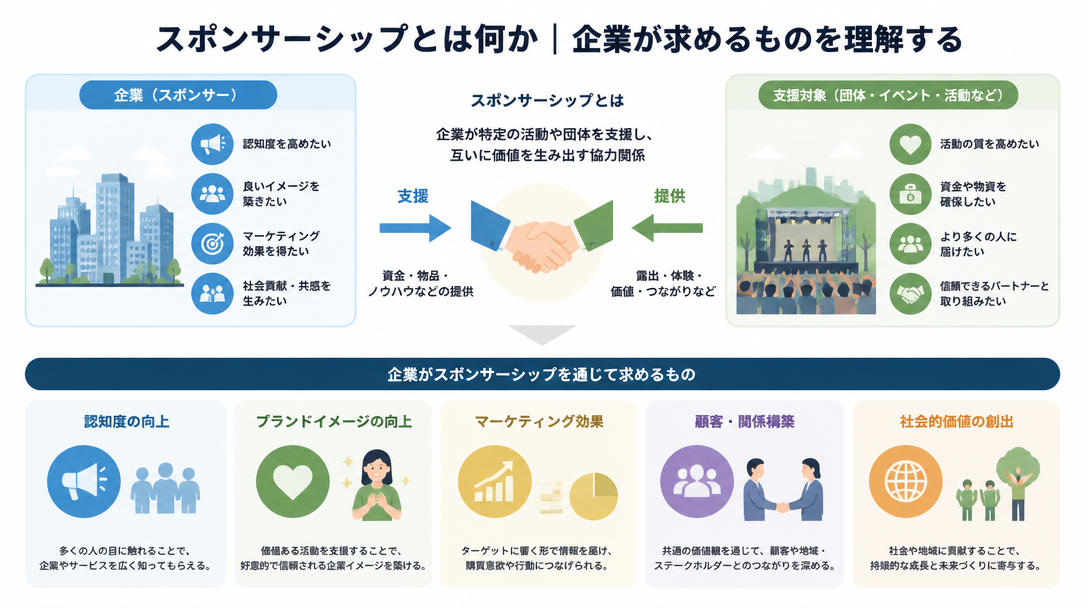
Defining Sponsorship and Its Main Forms
Sports sponsorship is a contractual relationship in which a company or organization provides financial support, products, or services to an athlete or team in exchange for brand exposure and positive image association. Unlike charitable donations or grants, sponsorship is fundamentally a business partnership in which both parties share measurable benefits.
Sponsorship support typically falls into three categories:
- Financial support: Funding for travel, competition entry fees, coaching, and training costs
- Products and services: Equipment, apparel, nutritional supplements, or access to training facilities
- Promotional collaboration: Media exposure opportunities, event appearances, and content partnerships
For the athlete, sponsorship enables continued competition at a higher level. For the company, it delivers brand visibility, audience reach, and reputational benefits. This mutual value exchange is the foundation of every effective sponsorship arrangement—and understanding it is the starting point for any athlete pursuing corporate support.
Why Companies Invest in Athlete Sponsorships
Companies sponsor athletes for a range of strategic business reasons. Understanding these motivations in depth is the first step toward writing a compelling proposal, because the most persuasive pitches speak directly to what sponsors are trying to achieve.
Company Motivation | Expected Outcome |
|---|---|
Brand awareness | Increased visibility through logo exposure and media coverage |
Brand image enhancement | Building goodwill and trust through association with sport |
Target audience reach | Direct access to a specific fan base, demographic, or region |
CSR and community engagement | Demonstrating social responsibility through grassroots sports support |
Employee engagement | Boosting internal morale and company culture through sport |
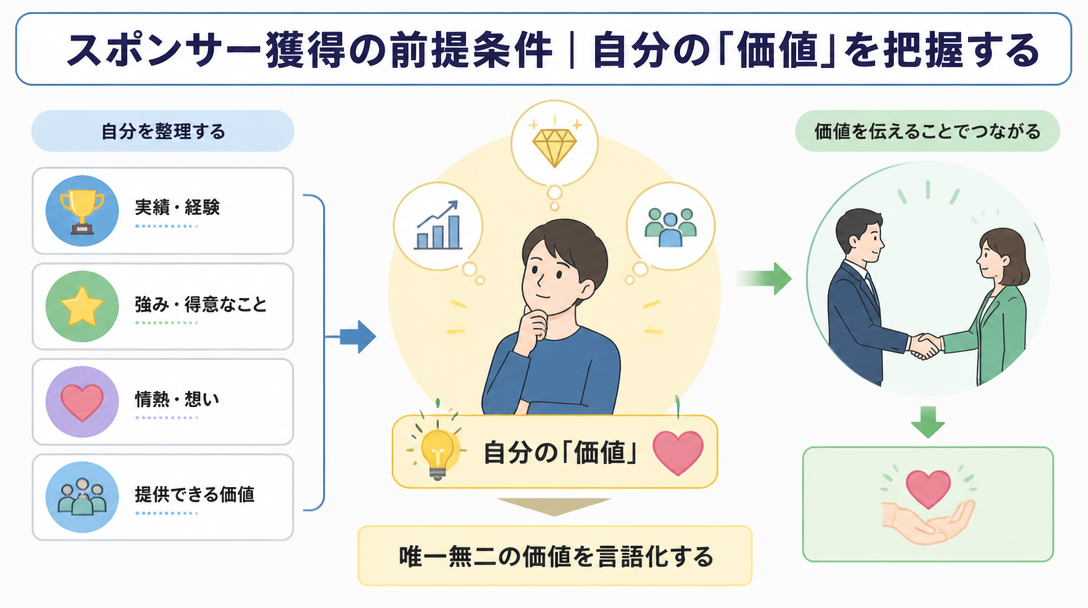
A key insight from sponsorship research is that companies strongly prioritize alignment between their target customer base and an athlete's existing audience. Before approaching any company, athletes should ask: "What specific value does my platform deliver to this business?" That question should drive every element of the pitch.
Sponsorship Prerequisites: Knowing Your Own Value
Why Social Media Reach and Engagement Rate Matter
In the current sponsorship landscape, an athlete's digital presence is often as important as their competitive record. Companies evaluating potential sponsorships don't just look at follower counts—they examine engagement rate, which measures how actively an audience interacts with content through likes, comments, shares, and saves.
Athletes with follower counts in the 10,000–100,000 range—commonly referred to as micro-influencers—are increasingly attractive to sponsors because they tend to maintain deep connections with specific communities. A highly engaged niche audience can deliver more genuine ROI for a brand than a large but passive following.
- The average Instagram engagement rate across industries hovers around 1–3%; athletes who exceed this benchmark are well-positioned
- Posting consistency—typically two to three times per week—signals professionalism and reliability to potential sponsors
- Comment quality matters too: detailed, genuine interactions from followers demonstrate authentic community influence
Communicating Competitive Results and Growth Trajectory
Olympic medals and world championship titles clearly help in attracting sponsors, but they are not prerequisites. Athletes earlier in their careers can still build compelling cases by visualizing a growth narrative—showing where they are now, how far they have come, and where they are headed.
A strong performance section of any sponsorship pitch should include current rankings, recent competition results, upcoming target events, and realistic projections—all expressed in concrete numbers. Sponsors are investing in potential as much as proven achievement, and a well-articulated trajectory can be just as persuasive as an extensive trophy cabinet.
It is also worth noting that no sport is inherently off-limits for sponsorship. What matters more than the size or visibility of the sport is whether the athlete's story, values, and audience align with what a specific company is trying to communicate.
Brand Alignment: The Factor That Seals the Deal
Among all the criteria companies use when selecting sponsored athletes, alignment with brand values and image consistently ranks near the top. A health-focused food brand will naturally gravitate toward endurance athletes. A performance apparel company may look for athletes who embody discipline and dedication across multiple sport contexts.
Athletes who can clearly articulate how their sport, lifestyle, and values overlap with a company's messaging will consistently outperform more accomplished but less strategically aware competitors. Before reaching out to any company, thoroughly research their website, social media channels, and mission statements. Identify the values they emphasize—innovation, community, resilience, sustainability—and find genuine, specific connections to your own story and activities.
How to Write a Sponsorship Proposal: 7 Essential Components
The Core Structure of an Effective Sponsorship Proposal
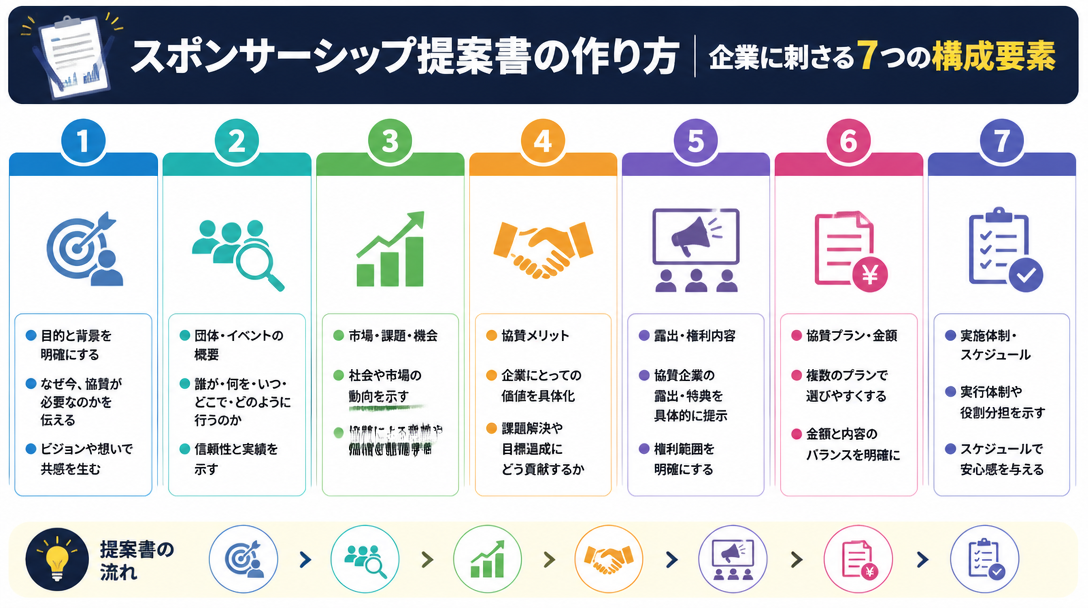
A sponsorship proposal is a business document designed to demonstrate that supporting an athlete is a sound investment. It is not a biography or a highlights reel—it is a value proposition. Most effective proposals run between 8 and 12 slides or pages, structured to deliver key information quickly and persuasively. The seven core components are:
- Cover page: A compelling headline and a strong action photo that creates an immediate emotional impression
- Athlete profile: A concise timeline of career history, major achievements, team affiliations, and social media metrics
- Short-term goals: Specific competition targets for the next one to two years, with context about their significance and difficulty
- Activity schedule: A concrete plan showing how support will be used, including training blocks, competition calendar, and media commitments
- Long-term vision: Career goals beyond the current competition cycle, including post-retirement plans and community impact ambitions
- Sponsor benefits: A clear, specific list of what the company receives—logo placement, social media posts, media appearances, event participation, content rights, and so on
- Tiered support plans with pricing: Multiple options at different investment levels, each with a clearly defined benefit package
Writing from the Company's Perspective: The Most Important Rule
The most common mistake athletes make in sponsorship proposals is spending the majority of the document talking about themselves. Companies reviewing proposals are not primarily interested in athletic accomplishments—they want to know: "What does my business gain by supporting this person?"
Every section of the proposal should be filtered through this lens. When describing competition results, frame them in terms of media exposure and brand visibility. When discussing social media, focus on audience demographics and engagement quality rather than raw follower numbers. When outlining future plans, emphasize the marketing opportunities those plans create for the sponsor.
Including examples of how other companies have benefited from athlete sponsorships—even in general terms—can also help reduce uncertainty for companies new to sports marketing. Sharing audience demographic data (age breakdown, gender split, geographic distribution) makes the business case visual and concrete, showing exactly where the company's target customers overlap with the athlete's followers.
First impressions matter enormously. If the opening section of the proposal does not immediately signal relevance to the company's business interests, busy decision-makers will move on. The opening must answer "why does this matter to us?" before anything else.
Designing Sponsorship Tiers and Setting Prices
Offering multiple tiers of support lowers the barrier to entry for companies of different sizes and budgets, and creates a natural framework for future upselling as the relationship grows.
Tier | Annual Investment (approximate) | Core Benefits |
|---|---|---|
Bronze | $1,000–$3,000 | Logo on competition uniform, two social media posts per month |
Silver | $3,000–$10,000 | Above, plus competition PR, banner on athlete website |
Gold | $10,000+ | Above, plus media appearances, corporate event participation, category exclusivity |
Each tier should offer a specific, credible value equivalent to or greater than the investment requested. Attaching a brief budget breakdown—showing exactly how funds will be used—adds transparency and builds trust. Companies are more likely to commit when they can see that an athlete manages resources professionally and accountably.
5 Proven Methods for Approaching Potential Sponsors
1. In-Person Networking at Events and Trade Shows
Direct, face-to-face contact at industry events, trade shows, regional business association gatherings, and sports-specific networking events remains one of the most effective ways to open sponsorship conversations. The personal connection made in a live setting is difficult to replicate digitally, and it immediately differentiates an athlete from the stack of cold emails sitting in a marketing director's inbox.
Preparation is essential. Athletes should have a polished 30-to-60-second elevator pitch ready—a clear, confident summary of who they are, what they do, and why sponsoring them is a smart business decision. Business cards and a one-page leave-behind with key statistics are also valuable tools.
Local and regional companies are particularly strong targets for in-person outreach. Businesses with geographic ties to an athlete's home region or training base often see community sponsorship as a natural extension of their CSR activities, and the conversion rate from outreach to agreement tends to be higher than with national or global corporations.
2. Strategic Social Media Outreach
A well-maintained, consistently active social media presence serves two sponsorship functions simultaneously: it demonstrates an athlete's media value to potential sponsors, and it can attract inbound interest from companies who discover athletes organically.
Tagging relevant brands in authentic content—a training session using specific equipment, a recovery routine featuring a nutrition product—is an effective low-pressure way to initiate brand relationships. Many sponsorship conversations have started with a brand noticing that an athlete was already organically using and promoting their products.
Consistency is the operative word. Sponsors evaluating an athlete's digital presence want to see a track record of reliable, on-brand, high-quality content. Erratic posting schedules or inconsistent messaging create doubt about whether the athlete can be trusted as a brand ambassador. Frequency, quality, and tonal consistency across platforms all signal to companies that their brand will be in safe hands.
For a detailed breakdown of social media strategies specifically for athletes, see "Athlete Social Media Strategy: Personal Branding and Fan Growth".
3. Crowdfunding as a Proof of Concept
Crowdfunding platforms serve athletes in ways that go well beyond simply raising money. A successful crowdfunding campaign is tangible, public evidence that real people care enough about an athlete's journey to financially support it. The number of backers, the quality of comments, and the percentage of the funding goal achieved all function as third-party social proof—and that data can be incorporated directly into sponsorship proposals.
When launching a campaign, clarity about how funds will be used and a commitment to regular, transparent backer updates are essential. The community built through a crowdfunding campaign—people who have already demonstrated financial support—represents exactly the kind of engaged, loyal audience that makes sponsors take notice.
Athletes who treat crowdfunding backers with genuine appreciation and deliver on their promises build the kind of reputation that makes corporate sponsors confident about entrusting their brand to them.
4. Working with a Sports Agent or Representative
Sports agents bring existing relationships with sponsorship decision-makers, expertise in negotiating contract terms, and the ability to handle legal and administrative aspects of deals that athletes may not be equipped to manage alone. The cost—typically 10–20% of the contract value—is often offset by the higher deal values and better terms that experienced agents can secure.
For athletes pursuing international sponsors or complex multi-year agreements, professional representation is strongly recommended. Sponsorship contracts often contain clauses around exclusivity, image rights, territorial restrictions, and performance incentives that carry real legal and financial implications. Having an agent or sports attorney review any contract before signing is not optional—it is essential.
Even athletes at the early stages of their careers can benefit from consulting with a sports marketing professional, even informally, to understand what their market value is and what a reasonable deal structure looks like.
5. Athlete-Sponsor Matchmaking Platforms
The rise of dedicated platforms connecting athletes with sponsorship-seeking companies has made the initial discovery process significantly more accessible. Services like Sports Sponsor JP and international equivalents allow athletes to create detailed profiles that companies actively search when looking for sponsorship partners.
Profile completeness is critical on these platforms. High-quality competition photos, detailed statistics, links to active social media accounts, geographic activity range, and a clear description of what kind of support is being sought all improve the chances of being discovered by the right company. Think of the platform profile as a condensed version of the full sponsorship proposal—it needs to immediately communicate value and relevance.
What Sponsored Athletes Have in Common
Demonstrable Alignment with the Company's Mission and Values
Among all the factors that influence sponsorship decisions, the fit between an athlete's personal brand and the company's values may be the most decisive. Athletic performance matters, but it is not sufficient on its own. A company that champions sustainability wants a spokesperson whose lifestyle and training practices reflect environmental consciousness. A brand built on community and inclusion wants an athlete whose story resonates with diverse audiences.
This alignment cannot be faked or retrofitted after the fact—it must be genuine and demonstrable. Athletes who have clear, consistently communicated personal values are easier to integrate into brand campaigns, create fewer reputational risks, and feel more authentic to consumers. Research the company's mission, study their advertising language, and identify the specific values you genuinely share before making any pitch.
Consistent Communication and Transparent Reporting
Winning a sponsorship agreement is only the beginning. The athletes who maintain long-term sponsor relationships—and see their deals renewed and expanded over time—are those who treat sponsors as genuine business partners rather than passive funders.
Providing regular reports—monthly or quarterly—that document social media reach, engagement numbers, competition results, and media mentions transforms the relationship from a favor into a trackable investment. Sponsors who can see the ROI of their support in concrete terms are far more likely to renew and increase their commitment.
Proactive communication around key events—reaching out before a major competition to build anticipation, and following up afterward with results and coverage—demonstrates the kind of professionalism that earns trust. Treating the sponsor relationship like a business partnership, not an unconditional grant, is what separates athletes who secure one-year deals from those who build multi-year, growing partnerships.
Off-Field Influence and Media Presence
Sponsorship value extends well beyond competition results. Media appearances, public speaking engagements, school visits, charity involvement, and community events all contribute to an athlete's visibility and perceived influence—and companies pay close attention to this broader footprint when assessing sponsorship candidates.
For regional or local companies in particular, an athlete with strong ties to the community and a track record of civic engagement represents an especially attractive sponsorship opportunity. The community goodwill generated by supporting a respected local athlete delivers brand value that pure advertising cannot replicate.
Athletes who begin building this off-field profile early in their careers—not just as a sponsorship tactic, but as a genuine expression of their values—create a compound advantage that grows over time and strengthens both their sponsorship appeal and their post-competition career prospects. For more on planning beyond the competitive years, see "Athlete Second Career Planning: Skills and Career Transition Strategies After Retirement".
Maintaining a Strong Sponsor Partnership Over Time
Turning Sponsors into Genuine Supporters
The contractual minimum—delivering the specific deliverables outlined in the agreement—is the floor, not the ceiling. The athletes who cultivate lasting sponsor relationships go further, creating the kind of genuine emotional connection that makes company representatives personally invested in the athlete's success.
Practical ways to build this connection include:
- Sending photos of sponsor logo placement at competitions with a personal thank-you note to the account contact
- Proactively sharing and commenting on the sponsor's product launches or campaigns on social media
- Promptly introducing oneself to new account managers when company contacts change, rather than waiting for the relationship to lapse
- Maintaining seasonal or holiday communication that keeps the relationship warm outside of formal reporting cycles
None of these actions are contractually required. That is exactly what makes them powerful—they signal authentic appreciation and partnership rather than transactional compliance.
Understanding Exclusivity Clauses and Competitor Restrictions
Most sponsorship contracts include provisions restricting the use of competing brands' products. An athlete sponsored by a sports drink company who is photographed at a competition holding a rival brand's bottle—even casually—risks a serious breach of contract. In the age of social media, these incidents spread instantly and are difficult to walk back.
Before signing any sponsorship agreement, every clause should be reviewed carefully—ideally with the assistance of a sports attorney or experienced agent. Athletes should understand precisely which product categories and brands are restricted, and those restrictions must be factored into daily training routines, competition preparation, and all social media activity. When in doubt, it is always better to ask the sponsor directly than to assume that an action is permissible.
Persistence After Rejection: The Long Game in Sponsorship
Rejection is a structural feature of sponsorship outreach, not an exceptional event. The athletes who eventually build strong sponsor portfolios are almost always those who treat initial rejections as temporary setbacks rather than permanent verdicts.
When a company declines, a brief, gracious acknowledgment and a request to stay in touch is appropriate. Following up annually with a short activity report—even a one-page summary of the season's highlights—keeps the athlete on the company's radar. Sponsorship budgets change, marketing priorities shift, and personnel turns over. An athlete who was not the right fit 18 months ago may be exactly what a company needs today.
Research consistently shows that persistence in follow-up is one of the strongest differentiators between athletes who secure sponsorships and those who do not. Developing a systematic, disciplined approach to maintaining relationships with companies that have previously declined is not just good practice—it is a competitive advantage.
The Sponsorship Market: Trends and Opportunities
The State of Sports Sponsorship
The global sports sponsorship market continues to expand at a strong pace. According to Global Growth Insights, the market is projected to reach $58.58 billion by 2025, growing at a compound annual growth rate of approximately 8.31%. This growth reflects increasing corporate recognition of sport as one of the most effective vehicles for authentic audience connection.
In Japan specifically, government initiatives have set targets to grow the domestic sports market to 15 trillion yen by 2025. Analysis from KPMG's sports business market research indicates that sponsorship revenues in professional leagues have reached record levels, with the benefits extending beyond elite professional sport to individual athletes across a wide range of disciplines.
This expanding market creates genuine opportunity for athletes at all levels and across all sports. The key is understanding how to position oneself within it—and having the tools to make a compelling case to potential sponsors.
How Digital Media Has Transformed Sponsorship
Traditional sponsorship metrics—logo placement on uniforms, banners at venues, mentions in print programs—have been fundamentally supplemented by digital performance indicators. Companies evaluating sponsorship returns now examine social media impressions, engagement rates, video view counts, story reach, and content sharing metrics alongside traditional visibility measures.
This shift is advantageous for athletes who invest in building strong digital platforms. An athlete with 50,000 highly engaged social media followers may deliver better ROI for certain sponsors than a competitor with a stronger competitive record but minimal online presence. The ability to demonstrate digital reach and present performance analytics in a clear, professional format has become a core component of the modern sponsorship pitch.
Athletes who understand these metrics—who can tell a sponsor not just how many followers they have, but who those followers are, how they engage, and what that engagement is worth in marketing terms—are positioned to command stronger deals and build more durable partnerships.
For strategies on building a compelling athlete media presence, see "Athlete Social Media Strategy". For approaches to generating income streams that complement sponsorship, see "Athlete Side Income: Business Models for Balancing Sport and Earnings".
Summary
Sponsorship is not simply awarded to the most talented athlete. It is earned by athletes who understand the business perspective of their potential partners, communicate their value clearly and professionally, and commit to building genuine long-term relationships. The core principles are:
- Understand the sponsor's motivations: Brand awareness, audience reach, CSR goals, and employee engagement all drive sponsorship decisions—know which applies to each target company
- Quantify your value: Social media followers, engagement rates, media mentions, and competition results should all be expressed in concrete, comparable numbers
- Write proposals from the company's point of view: The central question is never "Who am I?" but always "What does supporting me do for this business?"
- Use multiple outreach channels: In-person networking, social media, crowdfunding, agents, and matchmaking platforms each reach different opportunities—use them in combination
- Stay persistent after rejection: Regular follow-up and activity reporting keep relationships alive until the timing is right
Sponsorship is not a destination—it is an ongoing relationship that requires consistent investment in communication, professionalism, and performance. Athletes who approach sponsorship with the same discipline they bring to their training build the kind of reputation that attracts long-term, growing partnerships. The combination of competitive excellence and strategic business acumen is what ultimately creates a sustainable athletic career.