Gymnastics Inquiry System: How Challenges Work & Key Examples
Learn how the gymnastics inquiry (challenge) system works—D-score appeals, costs, video review, and landmark cases from London 2012 to Paris 2024 Olympics.

The gymnastics inquiry system—officially known as the challenge or inquiry procedure—is a formal scoring appeal mechanism established by the Fédération Internationale de Gymnastique (FIG) to uphold fairness and transparency in competition. When a coach believes the D-score (difficulty score) awarded for an athlete's routine contains an error, they may initiate a formal review process. This article provides a comprehensive breakdown of how the inquiry system works, including the step-by-step procedure, associated costs, the video review process, and landmark cases from major international competitions.
What Is the Gymnastics Inquiry (Challenge) System?

Definition and Purpose of the Inquiry
An inquiry in artistic gymnastics is the official procedure through which a coach formally contests a scoring decision. According to USA Gymnastics' scoring explainer, an inquiry is defined as "a verbal challenge of a routine's score," giving coaches a legitimate avenue to question a judging decision when they believe an error has been made.
The system serves two primary purposes:
- Correcting scoring errors: If a D-score judge fails to recognize a skill that was performed, or if the difficulty value is calculated incorrectly, the inquiry process provides a mechanism for correction.
- Ensuring transparency: By incorporating video footage into an objective review process, the system reinforces trust in the reliability of competition scores.
It is essential to note that inquiries apply exclusively to the D-score (difficulty score). The E-score, which evaluates the execution and artistry of a routine, cannot be challenged through this process due to its inherently subjective nature. For a broader understanding of how gymnastics scoring works overall, refer to the complete guide to the gymnastics judging system.
Why the Inquiry System Has Gained Widespread Attention
While the inquiry system has existed within FIG regulations for years, several high-profile incidents have thrust it into the global spotlight. In Japan, public awareness of the procedure skyrocketed following the 2012 London Olympics, when the Japanese men's gymnastics team successfully challenged a D-score on the pommel horse event and ultimately won a silver medal as a result—one of the most dramatic reversals in Olympic gymnastics history.
More recently, the 2024 Paris Olympics brought the inquiry system to an international audience when a dispute involving American gymnast Jordan Chiles captivated viewers worldwide. The controversy surrounding the one-minute filing rule, associated costs, and the scope of video review prompted widespread public interest in understanding exactly how the system operates. Today, the inquiry process is not merely insider knowledge for coaches and judges—it has become an essential component of informed gymnastics viewership.
How the D-Score Works and Why It Can Be Challenged
Understanding the D-Score: The Basics of Difficulty Scoring
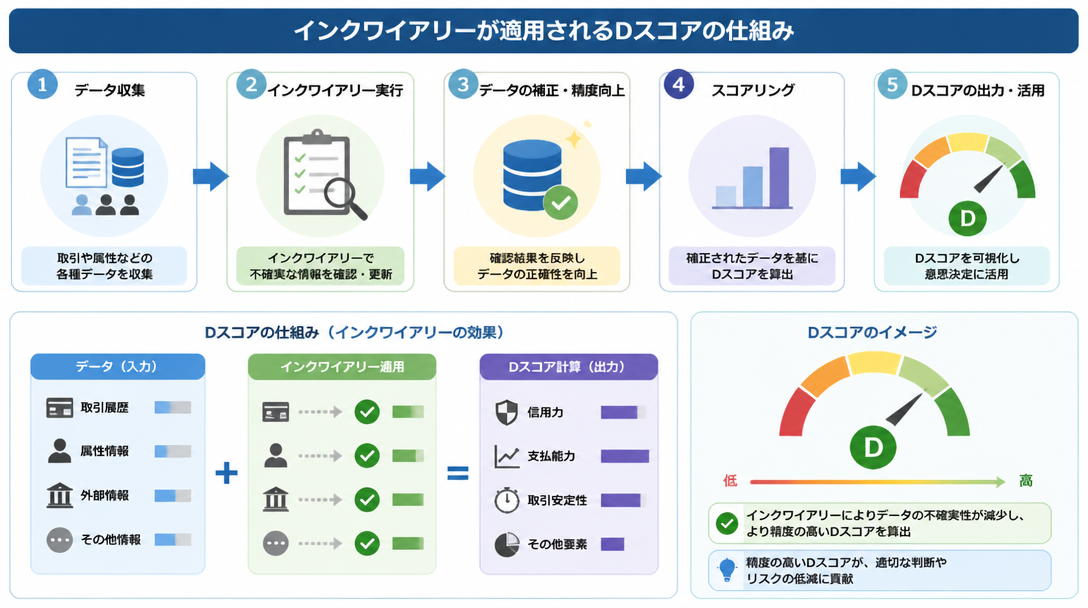
The D-score quantifies the technical difficulty of a gymnastics routine. As explained by NBC Olympics' scoring guide, the D-score is composed of three distinct elements:
Component | Description | Point Cap |
|---|---|---|
Difficulty Value (DV) | Each skill is rated on a scale from A to J. The top eight skills performed (for both men and women) are counted toward the D-score. | Unlimited |
Connection Value (CV) | Bonus points (0.1–0.2) awarded for performing high-difficulty skills in direct succession. | Varies by apparatus |
Composition Requirements (CR) | Bonus points for fulfilling the required element groups for each apparatus. | Up to 2.5 points |
For a detailed breakdown of how the Code of Points governs scoring, see the fundamentals of the Code of Points. Specific examples of D-score calculation in the floor exercise can be found in the floor exercise D-score calculation guide.
Why the E-Score Cannot Be Challenged
The E-score (execution score) evaluates the quality and aesthetics of a performance—factors such as body position, landing stability, and technical precision. As USA Gymnastics explicitly states, "Inquiries are not allowed on the Execution Score."
Several structural reasons explain this restriction:
- The E-score is assessed independently by five to seven judges, with the highest and lowest marks discarded before averaging—a design that already inherently filters out extreme outliers.
- Execution deductions involve subjective gradations. Determining whether a form break constitutes a small deduction (−0.1) versus a medium deduction (−0.3) is a matter of trained judgment that cannot always be resolved objectively through video review.
- Permitting E-score challenges would risk creating an endless appeal loop, making efficient competition management impossible.
What Can Be Challenged Within the D-Score
Inquiries are strictly limited to objectively verifiable errors in D-score calculation. The types of errors that qualify include:
- A skill was performed but not recognized by the D-panel judges (missed skill).
- A skill was assigned a lower difficulty value than warranted (e.g., a D-rated skill recorded as a C).
- Connection value bonuses were not correctly applied for skills performed in direct succession.
- Composition requirement credits were not accurately reflected in the final D-score.
The Inquiry Procedure: Step-by-Step and Associated Costs
The Two-Stage Process: Verbal Challenge and Written Submission
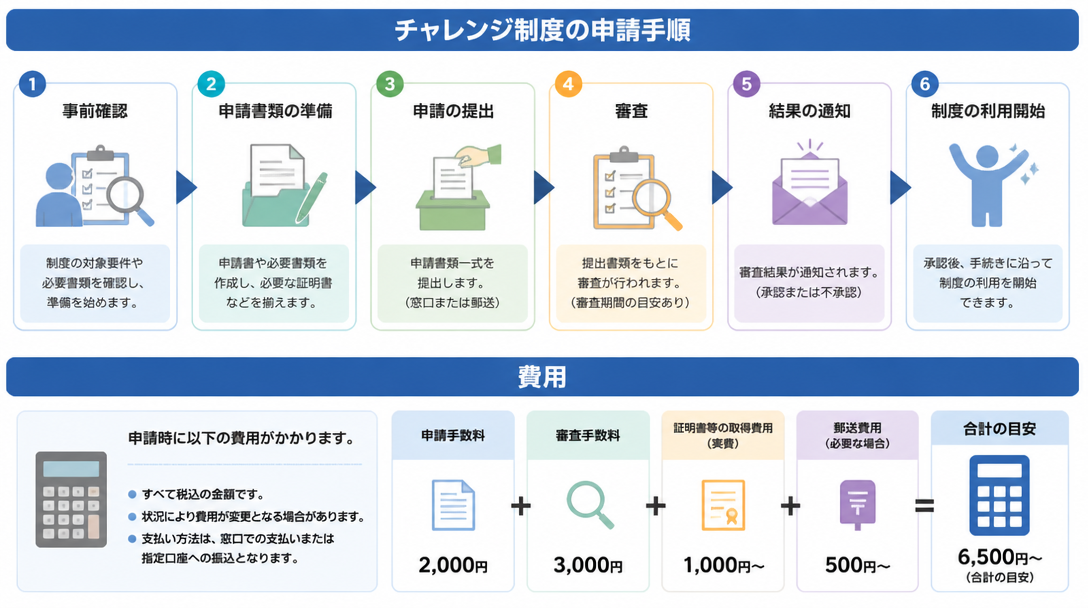
The inquiry process unfolds in two stages: a verbal challenge followed by a written submission. According to NBC Chicago's explainer, the procedure works as follows:
- After the athlete's final score is displayed on the scoreboard and before the next competitor's routine ends, the challenge window is open.
- The coach verbally challenges the score with the apparatus supervisor—this must occur within one minute of the score being posted.
- A formal written inquiry form is then submitted before the rotation concludes.
- The supervisor reviews the D-panel's scoring sheet and, if necessary, cross-references video footage of the routine.
- If the inquiry is upheld, the athlete's confirmed score is adjusted accordingly.
The Fee Structure and Refund Policy
The gymnastics inquiry system operates on a paid basis, and the cost escalates with each successive challenge filed during a competition. If the inquiry is upheld, the fee is fully refunded. If the challenge is rejected, the fee is forfeited and donated to the FIG Foundation.
Inquiry Number | Cost (USD) | Outcome if Upheld |
|---|---|---|
1st inquiry | $300 | Full refund |
2nd inquiry | $500 | Full refund |
3rd inquiry | $1,000 | Full refund |
In most other sports where video review or challenge systems exist—volleyball's challenge system, for instance—video review is conducted at no cost to the competing team. The paid model in gymnastics is internationally unusual. Proponents argue that the fee structure discourages frivolous challenges and keeps competition running smoothly, while critics contend that it creates an inherent disparity: wealthier national programs can afford to challenge more aggressively, while less financially resourced teams may hesitate to file even legitimate inquiries. This debate remains unresolved within the gymnastics community.
The Strict One-Minute Filing Deadline
Among the most consequential rules codified in the FIG Technical Regulations is the requirement that the verbal challenge be submitted within one minute of the score being posted on the scoreboard. This rule is designed to prevent deliberate delays and ensure competition proceeds on schedule.
In practical terms, the one-minute window demands that coaches simultaneously watch the performance, mentally calculate the D-score in real time, identify any discrepancy between the expected and displayed score, and make a decisive call—all within sixty seconds. This places a premium on thorough pre-competition preparation: coaches must have their athletes' planned difficulty scores memorized and verified before competing, so that any deviation from the expected D-score can be identified and acted upon immediately.
How the Video Review Process Works
Frame-by-Frame Video Analysis
Once an inquiry is formally accepted, the D-panel judges revisit their scoring records. If the discrepancy cannot be resolved through score sheet review alone, the process advances to video analysis. In gymnastics video review, footage of the routine is examined frame by frame to objectively verify whether specific skills were performed to the standard required for recognition under the Code of Points.
During video review, officials typically verify the following:
- Whether the start position, execution phase, and finish position of a skill meet FIG Code of Points requirements.
- Whether the correct number of rotations or twists was completed (e.g., confirming a double twist versus a single twist).
- Whether a required body position—such as reaching a handstand—was sufficiently achieved to qualify for the credited difficulty value.
- Whether connection value requirements (skills performed in direct succession without intermediate steps) were properly met.
The Neutral Review Panel
Video review inquiries are adjudicated by a neutral judging panel entirely separate from the officials who produced the original score. According to FIG Technical Regulations, this panel is composed of the president of the Superior Jury and two additional members who were not involved in the original scoring of the routine in question.
This structural separation is critical: by ensuring that the judges who produced the original score have no role in the review decision, the process minimizes the risk of confirmation bias and strengthens the credibility of the outcome. The Japan Gymnastics Association similarly emphasizes the importance of neutrality and independence in judge training and national competition protocols.
The Three Possible Outcomes
After video review, an inquiry will result in one of three outcomes. Coaches and teams must understand all three possibilities before deciding to file a challenge:
- Score increase: If a skill that was not originally credited is confirmed through video review, or if a difficulty value is upgraded, the athlete's D-score is raised. The inquiry fee is fully refunded.
- Score unchanged: If the original scoring is determined to be correct, the score remains as posted. The inquiry fee is forfeited.
- Score decrease: If the review process reveals that the original score was actually inflated in another area—that is, the panel identifies an error that overvalued the routine rather than undervalued it—the score may be reduced. The inquiry fee is forfeited.
The possibility of a score decrease is a significant risk factor that teams must weigh carefully. Filing an inquiry should be reserved for situations where there is a clear and confident assessment that a specific, objective error was made in the original D-score calculation.
Landmark Inquiry Cases at Major Competitions
London 2012 Olympics: Japan's Silver Medal Reversal on Pommel Horse
The case that introduced the inquiry system to mainstream awareness in Japan—and demonstrated its power to alter Olympic history—occurred during the men's team final at the 2012 London Olympics. The inquiry centered on Kohei Uchimura's dismount on pommel horse, which required the gymnast to pass through a handstand position. The D-panel originally ruled that Uchimura had not reached the handstand, and accordingly did not credit the dismount, resulting in a D-score of 5.4.
The Japanese coaching staff filed an inquiry challenging this assessment. Video review confirmed that Uchimura had indeed achieved the required handstand position, and the dismount—a C-difficulty element known as a "DSA dismount"—was officially credited. The D-score was revised upward from 5.4 to 6.1, and Japan's team total improved sufficiently to move them from fifth place to the silver medal position. The $300 inquiry fee was fully refunded.
This case remains one of the most frequently cited examples in gymnastics coaching education. It demonstrated that the inquiry system, when utilized correctly and decisively, can directly determine Olympic medal outcomes—and that thorough pre-competition score preparation by coaching staff is not merely beneficial but potentially decisive.
Tokyo 2021 Olympics: Daiki Hashimoto's Pommel Horse Inquiry
The Japanese team again utilized the inquiry system at the 2021 Tokyo Olympics, filing a challenge related to the D-score evaluation of Daiki Hashimoto's pommel horse routine. In this instance, however, the review process did not result in a score change—the original D-score was upheld following re-examination.
FIG subsequently issued an official statement explaining the scoring rationale and confirming that the original assessment was consistent with the applicable Code of Points criteria. While the outcome differed from the London 2012 precedent, the Tokyo case highlighted an equally important lesson: the inquiry system is a tool for correcting clear, objective errors—not a mechanism for relitigating close or borderline judging calls. The case reinforced that even well-intentioned challenges are not guaranteed to succeed, and that the strength of an inquiry rests on the clarity of the underlying scoring discrepancy.
Paris 2024 Olympics: The Jordan Chiles Bronze Medal Controversy
The most complex and internationally debated inquiry case in recent gymnastics history unfolded during the women's floor exercise final at the 2024 Paris Olympics. According to NBC Chicago's reporting, American gymnast Jordan Chiles initially received a score of 13.666, placing her fifth. Her coach filed an inquiry contesting the D-score on her floor exercise. The inquiry was upheld, and 0.1 points were added to her difficulty score, raising her total to 13.766 and moving her into third place—a bronze medal position.
The matter did not end there. Romanian team officials representing gymnast Ana Barbosu, who had originally held the third-place position before Chiles' score revision, filed a case with the Court of Arbitration for Sport (CAS). CAS ruled that the American coaching staff had submitted the verbal inquiry four seconds past the one-minute deadline—at one minute and four seconds—rendering the inquiry procedurally invalid. As a result, Chiles' score was reverted to the original 13.666, and the bronze medal was reassigned.
As Sports Illustrated documented extensively, the case triggered further legal proceedings, with USA Gymnastics contesting the CAS ruling and a Swiss court announcing it would examine new evidence related to the timeline. The affair exposed the profound consequences of the one-minute filing rule and brought global attention to the procedural intricacies of the gymnastics inquiry system. Four seconds, in this instance, determined the difference between a bronze medal and fifth place.
Debates and Ongoing Challenges Surrounding the Inquiry System
Questions of Fairness in a Paid Challenge System
The fact that gymnastics inquiries require payment has drawn sustained criticism on fairness grounds. Well-funded national programs from dominant gymnastics nations can afford to file challenges routinely and strategically, whereas teams from smaller or less financially resourced countries may feel compelled to self-censor even legitimate inquiries out of concern for costs. This financial barrier risks creating a two-tier system in which access to scoring correction is unevenly distributed.
The contrast with other sports is notable. Video challenge systems in volleyball, tennis, and cricket are provided at no direct cost to competitors. In gymnastics, the escalating fee structure—$300 for the first inquiry, $500 for the second, $1,000 for the third—was designed to deter baseless challenges and maintain competition pacing. However, the practical effect on equity remains a point of ongoing debate within the international gymnastics community, and calls for reform have grown louder following the Paris 2024 controversy.
The One-Minute Rule: Precision or Rigidity?
The Chiles case at the Paris Olympics crystallized a fundamental tension within the inquiry system: the one-minute filing deadline is both a necessary procedural anchor and a potentially unforgiving constraint. USA Gymnastics maintained that the inquiry had been submitted within the permitted window, and legal proceedings continued in Swiss courts as new evidence regarding the exact timestamp of the verbal challenge was examined.
Arguments in favor of strict enforcement hold that precise timing rules are what make the system function reliably. Without a hard deadline, coaches could strategically delay inquiries to gain tactical advantages, and the orderly progression of competitions would be undermined. Those advocating for greater flexibility counter that a few seconds' margin of error—particularly in high-pressure Olympic finals—should not carry the weight of overturning medal standings, especially when the underlying D-score error was accepted as valid by the panel that reviewed it.
The balance between procedural clarity and contextual fairness in a high-stakes judged sport is a challenge FIG will need to address as it refines the inquiry framework in future Code of Points cycles.
The Rationale for Excluding E-Score Challenges
Among gymnastics enthusiasts and competitors, the question of why E-score decisions cannot be challenged through the inquiry process generates persistent discussion. The boundary between D-score and E-score is not always intuitively clear, particularly in cases where it is disputed whether a skill was actually performed at all versus how well it was performed.
FIG's current framework resolves this by concentrating all objectively verifiable scoring elements within the D-score and reserving subjective assessments of execution quality for the E-score. This division maintains the operational feasibility of the inquiry process—if execution deductions were contestable through video review, virtually every score in every competition could be endlessly relitigated. The design prioritizes the integrity and pace of competition while providing a meaningful correction mechanism for the most objectively measurable scoring errors.
For readers interested in how the scoring systems differ across related disciplines, the comparison of scoring rules across artistic gymnastics, rhythmic gymnastics, and trampoline offers useful context.
The Inquiry System and Japanese Gymnastics
Japan's Track Record with the Inquiry System
Japan has established itself as one of the nations most actively engaged with the inquiry process—both in understanding its mechanics and in applying it strategically at major competitions. The 2012 London Olympics case remains the benchmark example: a coaching staff's thorough preparation, sharp score calculation, and decisive action within the one-minute window produced one of the most memorable reversals in Olympic gymnastics history.
The 2021 Tokyo Olympics case, in which the inquiry did not result in a score change, provided an equally valuable lesson. It confirmed that the inquiry system is designed specifically for clear, objective scoring errors—not for appealing any score that falls below a team's expectations. Both outcomes together have shaped a nuanced understanding within Japanese gymnastics coaching circles of when to file and when to hold.
What Coaches Must Know: Preparation and Expertise
Using the inquiry system effectively requires a coaching staff with deep, current knowledge of the FIG Code of Points and the ability to calculate D-scores in real time during competition. Given that the one-minute window begins the moment the scoreboard updates, coaches must be capable of identifying a discrepancy and making an informed filing decision faster than almost any other decision in sports coaching.
The following pre-competition preparation strategies are considered essential for teams that wish to use the inquiry system effectively:
- Calculate and document the expected D-score for every athlete's planned routine before the competition begins, including all difficulty values, connection bonuses, and composition requirement credits.
- Identify in advance the skills most likely to be missed or misvalued by judges—particularly complex combination elements, skills with subtle handstand requirements, or connections that qualify for bonus credit.
- Familiarize the coaching staff with the inquiry submission form and confirm the location of the apparatus supervisor at the competition venue before the session starts.
- Designate a team member to start a timer the moment a score is posted, ensuring the one-minute window is tracked precisely.
Looking Ahead: Technology and the Future of the Inquiry System
FIG has been investing in AI-assisted scoring support as part of a broader push to increase objectivity in gymnastics judging. The judging support system (JSS) developed in partnership with Fujitsu uses laser measurement technology—generating up to two million data points per second—to capture three-dimensional skeletal data from athletes in real time. The system cross-references this data against a database of approximately 1,400 registered skills to provide near-instant difficulty assessments.
First piloted at the 2019 World Championships, the JSS has since been expanded to cover all ten apparatus disciplines as of 2023. As the integration of digital technology with competition judging matures, it raises the possibility of future reforms to the inquiry system itself—potentially enabling faster, more accurate video review, reducing the margin for human error in D-score calculation, and prompting a reconsideration of both the current fee structure and the strict one-minute deadline.
For those interested in the specific difficulty recognition challenges that frequently arise in inquiry situations, the guide to release skills on horizontal bar provides relevant context on skills where judging ambiguity most commonly occurs.
Summary
The gymnastics inquiry (challenge) system is a cornerstone of FIG's commitment to fair and transparent scoring at the elite level. Here are the key points covered in this article:
- Inquiries apply exclusively to the D-score (difficulty score). E-score (execution score) decisions cannot be challenged.
- The process follows a two-stage sequence: a verbal challenge (within one minute of the score being posted) followed by a written submission before the rotation ends.
- Filing fees escalate with successive challenges: $300 for the first, $500 for the second, $1,000 for the third. Fees are fully refunded if the inquiry is upheld; if rejected, they are donated to the FIG Foundation.
- There are three possible outcomes: score increase, score unchanged, or—in rare cases—score decrease. The risk of a downward revision must be factored into every filing decision.
- The 2012 London Olympics case, in which Japan's coaching team successfully challenged a pommel horse D-score and secured a silver medal, remains the defining example of the inquiry system working as intended.
- The 2024 Paris Olympics Jordan Chiles case demonstrated the consequences of a filing made four seconds past the one-minute deadline—a ruling that cost a bronze medal and generated ongoing legal proceedings.
- Ongoing debates around the paid fee structure, the rigidity of the one-minute rule, and the integration of AI-assisted judging are likely to shape future reforms to the inquiry system.