Athlete Mental Health: How to Prevent Burnout in Sports
Discover the science-backed warning signs of athlete burnout and proven prevention strategies using psychological capital (PsyCap) to protect your mental health.
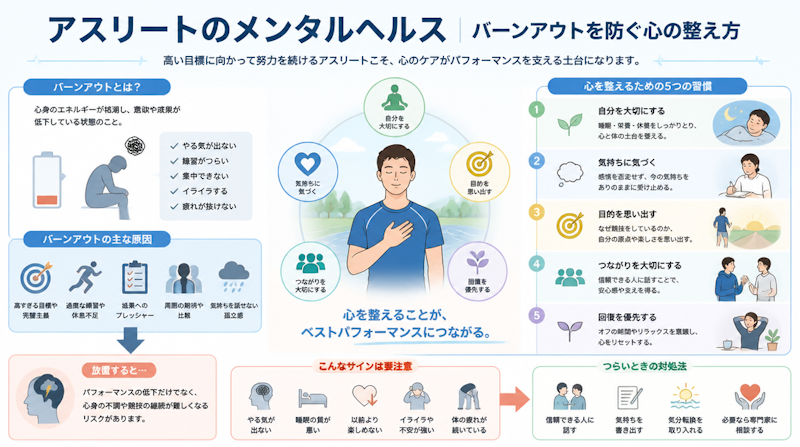
Athlete burnout is one of the most serious mental health challenges in competitive sports. It goes far beyond ordinary fatigue — it is a state of profound physical and psychological exhaustion in which an athlete's passion for their sport rapidly deteriorates. According to the American Psychological Association (APA), burnout carries a real risk of progressing into clinical depression and is one of the leading contributors to premature athletic retirement. Ironically, the athletes most vulnerable to burnout are often the most conscientious and dedicated — those who accumulate stress silently, without ever recognizing the warning signs. This article provides a comprehensive, evidence-based guide to understanding athlete burnout: what it is, how it develops, and how to prevent it.
What Is Athlete Burnout? The 3 Core Dimensions
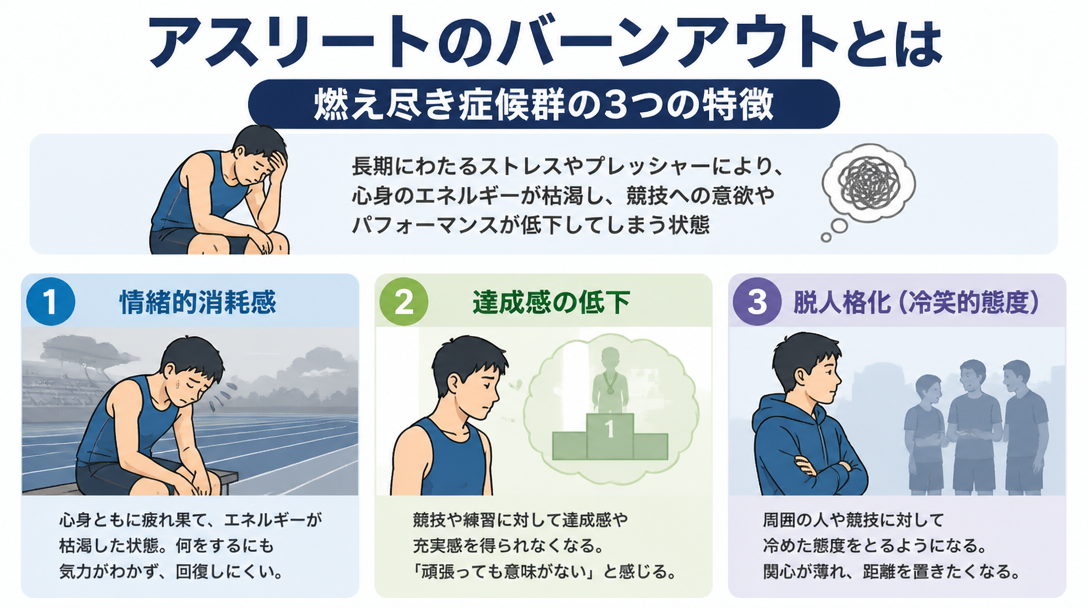
Emotional Exhaustion, Depersonalization, and Reduced Sense of Accomplishment
Athlete burnout is clinically distinct from temporary fatigue or a performance slump. The APA defines burnout as a syndrome characterized by three overlapping dimensions that emerge in combination:
Dimension | What It Looks Like | Common Warning Signs |
|---|---|---|
Emotional Exhaustion | A depletion of emotional and physical energy; loss of passion and drive for the sport | "I dread going to practice." "I no longer look forward to competing." |
Depersonalization | Increased cynicism, irritability, or emotional detachment toward teammates and coaches | "My teammates irritate me constantly." "I feel nothing when I win." |
Reduced Sense of Accomplishment | A pervasive feeling of ineffectiveness; belief that effort no longer leads to meaningful results | "Training is pointless." "Winning feels hollow." |
Research indicates that these three dimensions do not always develop simultaneously. In many cases, emotional exhaustion emerges first, and — if left unaddressed — it cascades into depersonalization and a diminished sense of accomplishment. Understanding this progression is key to catching burnout early before it fully takes hold.
Burnout vs. Ordinary Fatigue: A Critical Distinction
Burnout is frequently dismissed as "just tiredness," but the defining difference is that burnout does not resolve with rest alone. Standard fatigue — the kind that follows an intense training block or a difficult competition — clears up after adequate sleep and recovery time. Burnout, by contrast, involves deep psychological and cognitive changes that persist even after the body has physically recovered.
A 2025 scoping review of 32 longitudinal studies published in Frontiers in Psychology (via PMC) confirmed that the three dimensions of burnout are "multidimensional and nonlinear" — they develop independently of one another and do not follow a single predictable pattern. Notably, reduced sense of accomplishment and a loss of value in sport tend to increase significantly during the competitive season, meaning athletes require heightened vigilance as major competitions approach.
The Mental Health Consequences of Athlete Burnout
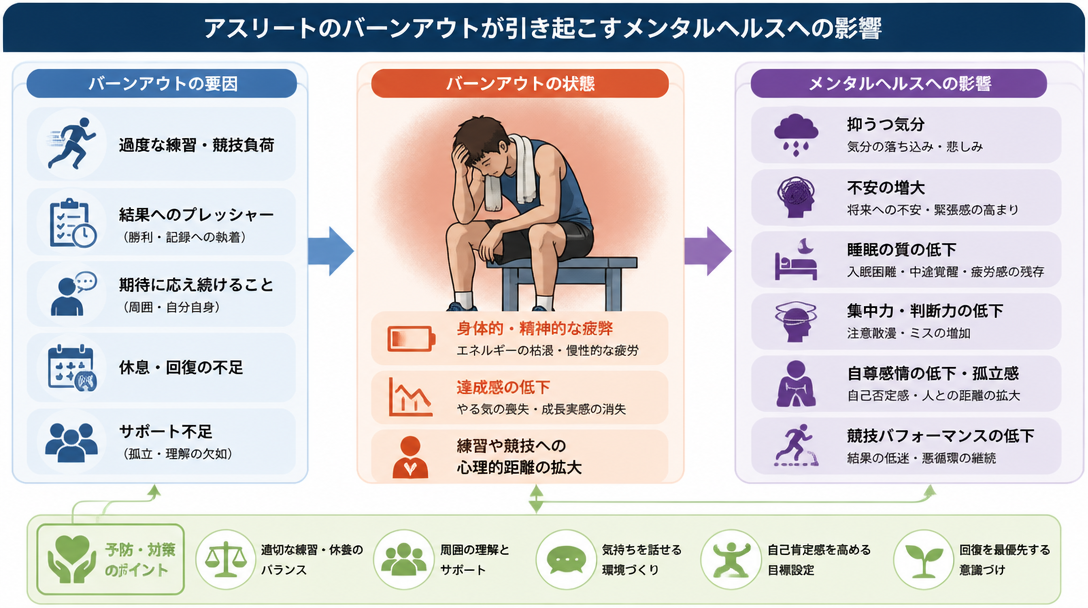
The Chain Reaction: Depression, Anxiety, and Insomnia
When burnout is left unaddressed, it creates a cascading effect on mental and physical health. Research consistently identifies the following consequences:
- Psychological: Depressive episodes, anxiety disorders, emotional instability, difficulty concentrating, and a significant decline in self-esteem
- Physical: Chronic fatigue, sleep disturbances, changes in appetite, and a weakened immune system that increases susceptibility to illness
- Behavioral: Substance misuse (alcohol, supplements), avoidance of training and competition, and interpersonal conflict
- Athletic: Sharp decline in performance, technical regression, and an elevated risk of injury due to compromised focus and physical condition
High-profile athletes around the world have increasingly spoken publicly about their experiences with burnout and depression — from Olympic swimmers to elite team sport players — emphasizing a shared truth: even the strongest, most decorated competitors are not immune. These candid disclosures have helped shift the cultural narrative around mental health in sport, reinforcing that seeking support is a sign of self-awareness, not weakness.
Burnout and Early Athletic Retirement
Burnout is one of the primary drivers of early athletic dropout, particularly among young athletes who withdraw from their sport before reaching their potential. Research makes clear that burnout-related psychological distress does not automatically resolve when an athlete steps away from competition. In fact, unresolved burnout can complicate the transition to a second career, creating ongoing challenges with motivation, identity, and mental well-being long after retirement. This is why burnout must be treated not just as a performance issue, but as a career-shaping concern — one that warrants proactive management throughout an athlete's competitive years.
Understanding the Risk Factors for Athlete Burnout
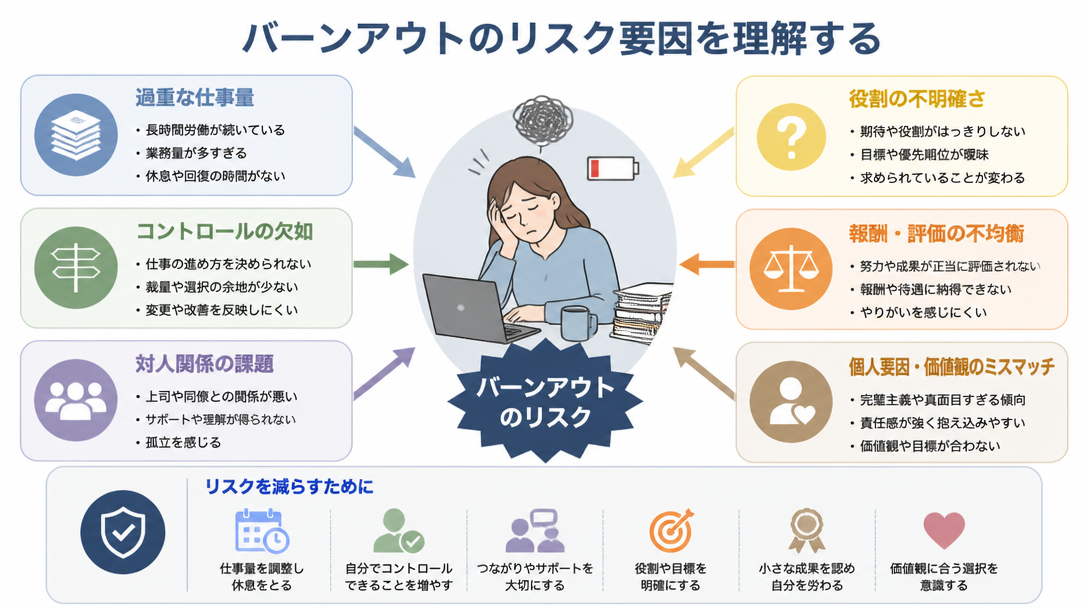
Personal Risk Factors: Perfectionism and Competitive Anxiety
Sports psychology research distinguishes between two fundamentally different expressions of perfectionism in athletes:
- Adaptive perfectionism (healthy striving): Setting high personal standards while maintaining resilience in the face of failure. This form of perfectionism does not meaningfully elevate burnout risk and can actually support sustained motivation.
- Maladaptive perfectionism (evaluative concern): An intense fear of failure, repetitive self-criticism, and excessive sensitivity to external judgment. This form is one of the strongest individual predictors of burnout.
Beyond perfectionism, researchers have identified the following personal risk factors:
- Perfectionistic concerns (fear of negative evaluation): Among the most powerful individual risk factors identified in the literature
- Competitive anxiety: Experiencing disproportionate pressure before and during competition
- Chronic sleep disturbance: Insufficient or poor-quality sleep impairs emotional regulation and stress recovery
- Emotional suppression: A habitual tendency to conceal feelings of frustration or anxiety rather than expressing them
- Athletic identity foreclosure: When an athlete's entire sense of self is tied exclusively to sport performance, setbacks become existential threats rather than temporary obstacles
Environmental Risk Factors: Coaching Style and Team Dynamics
Burnout is not solely an individual problem. The sporting environment and organizational culture play an equally significant role. The 2025 scoping review cited above identified the following environmental contributors to burnout:
- Punitive coaching feedback: Coaches who respond to errors with harsh criticism rather than constructive guidance create chronic stress for athletes
- Low autonomy in training: Environments in which athletes have no meaningful input into training plans, strategies, or decisions are associated with higher burnout rates
- Negative team relationships: Persistent interpersonal conflict or social isolation within a team significantly undermines psychological safety
- Unsustainable competition and travel schedules: Overcrowded competitive calendars that leave insufficient time for physical and psychological recovery
The evidence is clear: coaching style directly shapes athlete mental health. Approaches that incorporate mindfulness, goal-setting, visualization, and relaxation techniques — core components of applied sport psychology — have demonstrated effectiveness in maintaining and improving athletes' psychological well-being over time.
The Added Pressure of Balancing Sport and Academic Life
For student-athletes, the demands of academic life compound burnout risk considerably. Research has documented a well-established "spillover effect" in which school-related burnout and sport-related burnout mutually reinforce each other: academic stress can accelerate athletic burnout, and vice versa. Developing effective time management strategies as a student-athlete is therefore not merely a productivity concern — it is a genuine burnout prevention strategy with meaningful implications for long-term mental health and athletic sustainability.
Recognizing the Early Warning Signs of Burnout
Physical Warning Signs
Burnout rarely arrives suddenly. It builds gradually over weeks or months, and physical symptoms are often the first indicators that something is wrong. Athletes and those who support them should pay close attention when any of the following persist over an extended period:
- Persistent fatigue that does not resolve with adequate sleep (chronic fatigue)
- A noticeable and sustained decline in training and competition performance that cannot be explained by injury or illness
- Minor injuries, colds, or infections that take unusually long to heal — suggesting immune system compromise
- Greater-than-normal fluctuations in resting heart rate or blood pressure before and after training
- Significant changes in appetite: either loss of hunger or episodes of compulsive eating
Psychological and Behavioral Warning Signs
Psychological and behavioral signs of burnout can be subtler than physical ones, but they are equally important. If multiple items from the list below are present for two weeks or longer, consulting a mental health professional or sports psychologist is strongly advisable:
- A persistent lack of motivation to attend practice, leading to absenteeism or consistent lateness
- Loss of interest or emotional engagement in competitions that were previously a source of excitement
- Increased irritability toward teammates and coaches, accompanied by a desire to avoid social contact within the sport
- Repetitive negative self-talk: thoughts such as "It doesn't matter how hard I try — it's never enough"
- Frequent, intrusive thoughts about quitting the sport — more than a passing frustration, but a recurring preoccupation
- A spreading sense of apathy and emotional flatness that extends beyond sport into personal relationships and everyday activities
Psychological Capital (PsyCap): A Science-Backed Shield Against Burnout
The HERO Framework: Four Psychological Resources
One of the most compelling recent developments in burnout prevention research is the role of Psychological Capital (PsyCap). A January 2025 study published in BMC Psychology, which surveyed 344 athletes, found a clear and statistically significant relationship: athletes with higher levels of PsyCap consistently reported lower burnout symptoms. PsyCap is structured around four core components, known by the acronym HERO:
Component | Definition |
|---|---|
Hope | The will to achieve goals and the ability to identify multiple pathways to reach them when obstacles arise |
Efficacy | Confidence in one's ability to mobilize the motivation and resources needed to execute specific tasks successfully |
Resilience | The capacity to bounce back from adversity, failure, and chronic stress, and to adapt positively to challenging circumstances |
Optimism | A positive explanatory style that attributes successes to lasting, broad causes and setbacks to temporary, specific ones |
A crucial insight from this research is that these four components are not fixed personality traits — they are trainable psychological skills that can be deliberately developed through targeted practice. The study also found that the protective gap between high-PsyCap and low-PsyCap athletes widened dramatically in high-stress environments, underscoring that daily psychological conditioning is most valuable precisely when the pressure is greatest.
Practical Ways to Build Each PsyCap Component
Each element of the HERO framework can be actively cultivated through consistent, intentional practice:
- Building Hope: Break large, distant goals into a series of smaller, achievable milestones. Practice "pathway thinking" — when one route to a goal is blocked, train yourself to generate alternative routes rather than treating the obstacle as a dead end.
- Building Efficacy: Keep a "success journal" that records past performances, breakthroughs, and moments of competence. Use visualization exercises based on observing skilled role models to reinforce a sense of capability before high-pressure situations.
- Building Resilience: After setbacks, adopt the practice of asking "What can I learn from this?" before moving on. Actively invest in social support systems — teammates, family, coaches, and mental health professionals — so that challenges are processed in relationship rather than in isolation.
- Building Optimism: Practice cognitive reframing: train yourself to interpret negative events as temporary and situation-specific rather than permanent and pervasive. Use intentional positive self-talk before, during, and after competition to interrupt cycles of catastrophic thinking.
Evidence-Based Strategies to Prevent Athlete Burnout
Mindfulness for Emotional Regulation
Mindfulness has one of the strongest and most consistent evidence bases of any burnout prevention strategy in sport psychology. The core practice — intentionally attending to the present moment with non-judgmental awareness — has been shown to reduce competitive anxiety, soften maladaptive perfectionist thinking, and significantly lower chronic stress levels. The following mindfulness techniques are particularly well-suited to athletes:
- Body Scan Meditation (5–10 minutes): Performed after training or before sleep, this practice involves systematically directing attention through each region of the body, noticing areas of tension, and consciously releasing them. It builds interoceptive awareness — the ability to recognize stress signals before they accumulate.
- Controlled Breathing (e.g., 4-7-8 technique): Inhale for 4 seconds, hold for 7, exhale for 8. This technique activates the parasympathetic nervous system and is particularly effective for managing pre-competition anxiety in the minutes before an event.
- Mindful Movement: During warm-up and cool-down routines, bring deliberate, non-evaluative attention to each individual movement rather than mentally rehearsing performance outcomes. This transforms routine physical preparation into a mindfulness practice.
Research published in PMC examining the relationship between life stress and athlete burnout confirms that mindfulness-based interventions meaningfully improve emotional regulation skills and reduce both chronic stress and burnout risk over time.
Self-Monitoring and Reflective Practice
Early detection of burnout depends on an athlete's ability to observe and honestly evaluate their own psychological state over time. The following self-monitoring practices provide structure for this process:
- Mental Training Log: Extend the traditional training diary to include daily self-ratings in three areas: motivation (out of 10), fatigue (out of 10), and enjoyment (out of 10). Tracking these metrics over weeks reveals trend lines that are far more informative than any single data point.
- Monthly Burnout Self-Assessment: Once a month, rate yourself honestly on each of the three burnout dimensions — emotional exhaustion, depersonalization, and reduced sense of accomplishment — and compare across months to detect drift.
- Weekly Expressive Writing: Spend 10–15 minutes each week writing freely about what felt meaningful in training and competition, and what felt draining or discouraging. This practice, supported by robust psychological research, helps externalize and process stress before it compounds.
The 2025 longitudinal scoping review recommends measurement intervals of approximately three months as optimal for tracking burnout dynamics over a competitive season. Ideally, teams and coaching staffs should build structured, regular check-in systems — not leave monitoring entirely to individual athletes who may be the least able to recognize their own deterioration when it is most advanced.
Building a Social Support Network
Across virtually every domain of stress research, social support consistently emerges as one of the most powerful protective factors against burnout. The mechanism is straightforward: having trusted relationships with teammates, coaches, family members, and sports psychologists creates a psychological buffer that moderates the impact of high-stress environments. Athletes who feel genuinely supported are significantly less likely to experience severe burnout, even under identical objective demands.
It is important to cultivate both sport-internal and sport-external sources of support. Maintaining connections with peers outside of competitive sport — through hobbies, community involvement, or friendships unrelated to athletic identity — allows athletes to sustain what researchers call identity differentiation: a sense of self that is not entirely contingent on athletic performance. Building a personal brand through social media can also help athletes connect with peers across different sports, reducing the isolation that often accompanies elite competition. Identity differentiation is itself a well-established protective factor against burnout, because it ensures that a poor competition result or a period of underperformance does not threaten an athlete's entire sense of self-worth.
What Coaches and Support Staff Can Do to Prevent Burnout
The Case for Autonomy-Supportive Coaching
Among the environmental interventions most supported by research, autonomy-supportive coaching stands out as particularly effective. This coaching philosophy prioritizes athletes' psychological needs for autonomy, competence, and relatedness — and in doing so, it cultivates intrinsic motivation rather than compliance-based engagement.
In practice, autonomy-supportive coaching looks like this:
- Offering athletes meaningful choices within training sessions — for example, selecting between two conditioning circuits or sequencing their own warm-up
- Creating regular structured opportunities for athletes to share their perspectives on tactics, technical development, and team culture
- Responding to mistakes with curiosity and constructive dialogue rather than punishment or dismissal
- Periodically revisiting each athlete's fundamental motivation for participating in their sport — especially during difficult periods when external motivation falters
- Explicitly valuing personal growth metrics alongside competitive outcomes, so that athlete development is recognized even in the absence of wins
The research is consistent: athletes training under autonomy-supportive coaches report higher intrinsic motivation, greater well-being, and significantly lower burnout rates than those in controlling coaching environments.
Implementing Regular Mental Health Check-Ins
At the organizational level, the most effective burnout prevention systems build regular mental health monitoring into the team's routine rather than treating it as an emergency response. A practical starting point is a brief weekly self-report in which athletes rate motivation, fatigue, and enjoyment on a 1–5 scale. When scores for any individual athlete show a consistent downward trend, that should automatically trigger a private conversation with a coach or support staff member.
Collaboration with credentialed sports psychologists and counselors is equally important. Mental skills training for athletes is most effective when delivered by qualified professionals who understand the specific psychological demands of competitive sport. Teams that invest in regular visits from sports psychology consultants — not only in crisis situations, but as an ongoing part of athlete development — build the psychological infrastructure that makes burnout prevention sustainable.
Support Resources Athletes Can Access
National and Organizational Support Channels
When burnout symptoms become severe, or when the team environment itself is a source of stress that makes internal support impractical, external resources become essential. Athletes in Japan have access to the following:
- Japan Olympic Committee (JOC): Operates a harassment and violence consultation service staffed by attorneys and licensed clinical psychologists. Athletes can report concerns about their sporting environment as well as seek personal mental health guidance.
- Japan Sports Agency — Career Support Program: Athlete Career Coordinators (ACCs) provide support across both competitive and life domains, including mental health concerns, career planning, and work-life balance during an athletic career.
- Japan Sport Association (JSPO): Works to establish sport medicine and science support systems at the national level and can coordinate access to certified sports psychologists through member associations.
For immediate mental health support outside of sporting contexts, Japan's Ministry of Health, Labour and Welfare operates the Yorisoi Hotline (0120-279-338), available 24 hours a day, free of charge, for any mental health concern (MHLW Mental Health Support Information).
The Value of Sport-Specific Counseling
Sport counseling and sport psychology consultation offer something that general mental health services cannot always provide: deep familiarity with the psychological demands specific to competitive athletics. Certified sports psychologists and licensed counselors with a sport specialization understand the nuances of performance pressure, slumps, team dynamics, coaching relationships, and the identity challenges that come with athletic life. They are equipped to deliver both preventive support — helping athletes build psychological skills before burnout takes hold — and therapeutic intervention when burnout has already developed. For athletes seeking this type of support, consulting the membership directory of a national sport psychology association is a practical first step toward finding a qualified professional with competitive sport experience.
Key Takeaways
Athlete burnout — characterized by emotional exhaustion, depersonalization, and a reduced sense of accomplishment — is a serious, multidimensional mental health condition that can, if left unaddressed, escalate into clinical depression and force early retirement from sport. The following core points summarize what athletes, coaches, and support staff need to know:
- Burnout is fundamentally different from fatigue: it involves psychological and cognitive changes that rest alone cannot resolve
- The strongest individual risk factor is maladaptive perfectionism (specifically, fear of negative evaluation); the strongest environmental risk factor is coaching that fails to support athlete autonomy
- Psychological Capital (PsyCap) — comprising Hope, Efficacy, Resilience, and Optimism — is a scientifically validated protective resource that can be deliberately trained and developed
- The three most evidence-supported prevention pillars are mindfulness practice, consistent self-monitoring, and robust social support networks
- Early warning signs should never be dismissed; reaching out to a coach, sports psychologist, or external support service before symptoms become severe is always the right decision